Dental Care for Children with Disabilities
Children with disabilities may require a tailored approach to dental care. Our specialist team adapts each visit to support individual needs and provide comfortable, effective treatment.
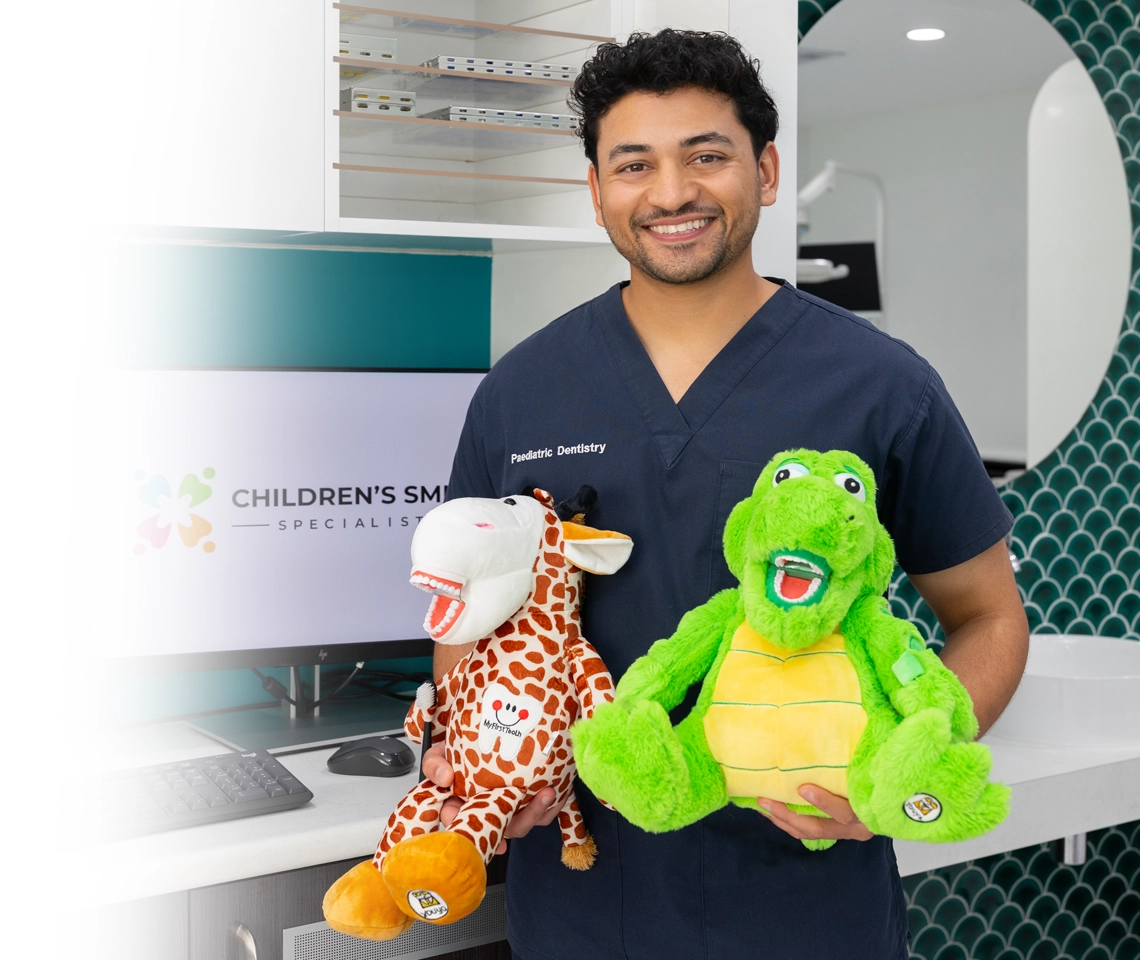
How do we care for children with disabilities?
Children with disabilities may require a more individualised approach to dental care. Our specialist team takes the time to understand each child’s needs, communication style and comfort levels, adapting appointments to help provide the most appropriate care.
Our approach may include:
- Longer or additional appointments to allow time for familiarisation and gradual introduction to treatment
- Tailored communication strategies and behaviour guidance techniques
- Support for sensory sensitivities and individual preferences
- Collaboration with parents, carers and healthcare professionals
- Chairside treatment where appropriate, with access to general anaesthesia for children requiring more complex care or additional support
Our goal is to provide every child with the dental care they need in a way that respects their individual needs.
Chat to our team about your appointment needs
Every child has different needs, and we understand that planning the right dental visit starts with a conversation. Before your appointment, our team welcomes the opportunity to learn more about your child, including their communication style, sensory preferences, medical history and any previous dental experiences. This helps us prepare an approach that is tailored to your child and your family. Whether your child requires additional time, specific support or a discussion about treatment options, our team is here to listen, answer your questions and help make the dental experience as positive and manageable as possible

FAQ
Frequently Asked Questions
Paediatric dentists are specialists who care for the oral health needs of infants, children and teenagers, including those with additional medical, developmental or behavioural needs. We complete three additional years of specialist training to diagnose, prevent and manage dental problems while creating a calm and supportive environment where children can feel comfortable. We aim to create positive experiences from an early age, helping children develop healthy habits and confidence that lasts well beyond childhood.
A chalky molar is a common way of describing Molar Incisor Hypomineralisation (MIH), a condition where some adult teeth develop with weaker enamel. These teeth can appear white, yellow or brown and may be more sensitive, prone to breaking down or harder to keep clean. Early assessment by a paediatric dentist can help identify these teeth, manage sensitivity, protect the enamel and provide a plan to support your child’s long-term oral health.
No referral is required to see a paediatric dentist. Parents can contact us directly if they have concerns about their child’s teeth, development or dental experience. We also work closely with family dentists, orthodontists, GPs and other health professionals who may recommend an early specialist dental assessment.
Yes. Dental anxiety is very common in children, and our approach focuses on helping them feel safe and understood. We take time to build trust, explain things in a child- friendly way and tailor each visit to suit their individual needs. For children who need extra support, we can discuss options such as nitrous oxide sedation (“happy gas”) or treatment under general anaesthesia when appropriate. Our aim is to make dentistry a positive experience.
Review