Specialist Care
Our specialist paediatric dentists bring years of focused training and experience to manage children’s unique dental needs, providing tailored care from early prevention through to complex treatment.
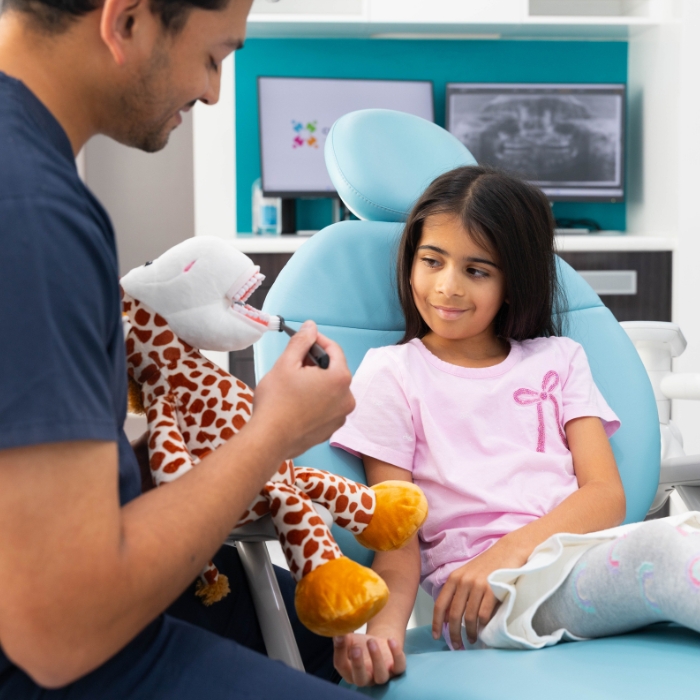
Tooth Decay In Children
Tooth decay is one of the most common chronic conditions affecting children and can develop quickly without early intervention. Our specialist paediatric dentists provide comprehensive assessment and treatment to manage decay, restore damaged teeth and help prevent future problems. We understand that treating tooth decay in children involves more than simply fixing teeth. Our team considers factors such as diet, oral hygiene, habits, dental development and your child’s ability to cope with treatment. By combining prevention, education and appropriate treatment, we aim to support healthy smiles and help children develop positive dental habits from an early age.
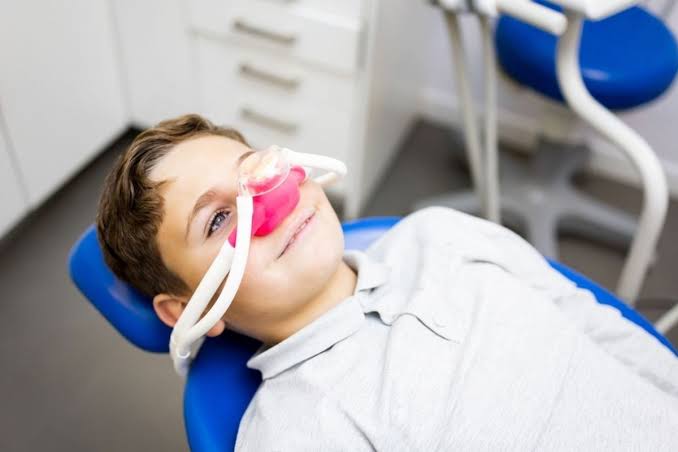
Dental Sedation
Some children require additional support to help them comfortably complete dental treatment. Dental sedation can be a valuable tool for children who experience dental anxiety, require more complex procedures or need support during treatment.Our specialist paediatric dentists carefully assess each child to determine the most appropriate approach, which may include techniques such as nitrous oxide (“happy gas”) or treatment under general anaesthesia when required. Sedation is not about avoiding dental care — it allows children to receive the treatment they need in a safe, controlled and supportive way while helping build confidence in their dental experience.
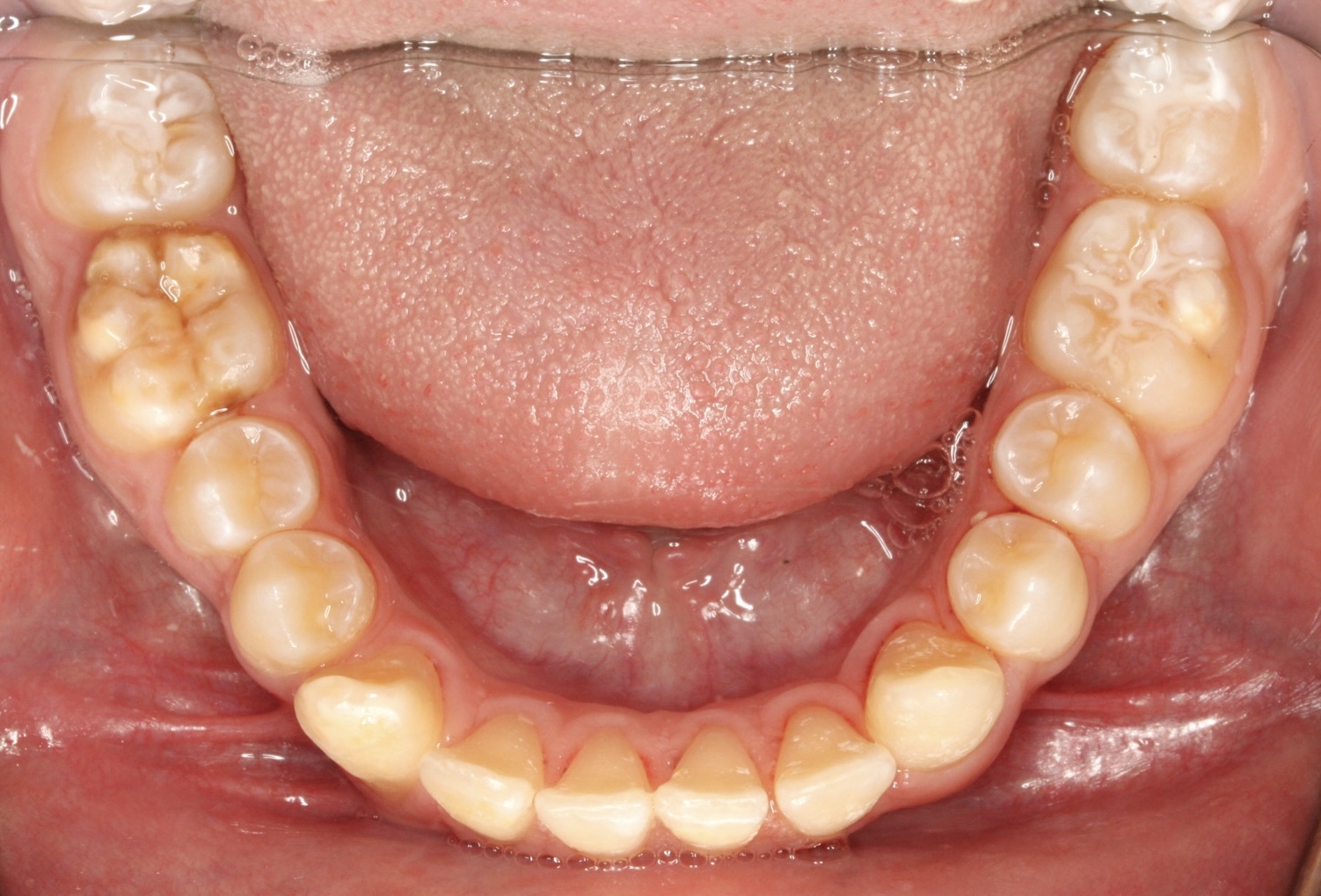
Chalky Molars
Chalky molars, also known as molar incisor hypomineralisation (MIH), are teeth that develop with weaker enamel, making them more prone to sensitivity, breakdown and decay. These teeth often require specialist assessment to determine the best way to protect them. Our specialist paediatric dentists have experience managing MIH from early diagnosis through to ongoing care. Treatment may involve monitoring, preventive strategies, protective restorations or managing sensitivity depending on each child’s needs. Early review is important, as timely care can help reduce discomfort and protect affected teeth as children grow.
Why should you choose Children’s Smile Specialists?
At Children’s Smile Specialists, we believe great paediatric dental care is about more than treating teeth- it’s about understanding children. Our specialist paediatric dentists bring years of focused training in children’s oral health, growth and development and behaviour guidance to provide care tailored to each child. From their first visit through to more complex treatment, we focus on building trust, creating positive experiences and helping children feel confident in the dental environment.
FAQ
Frequently Asked Questions
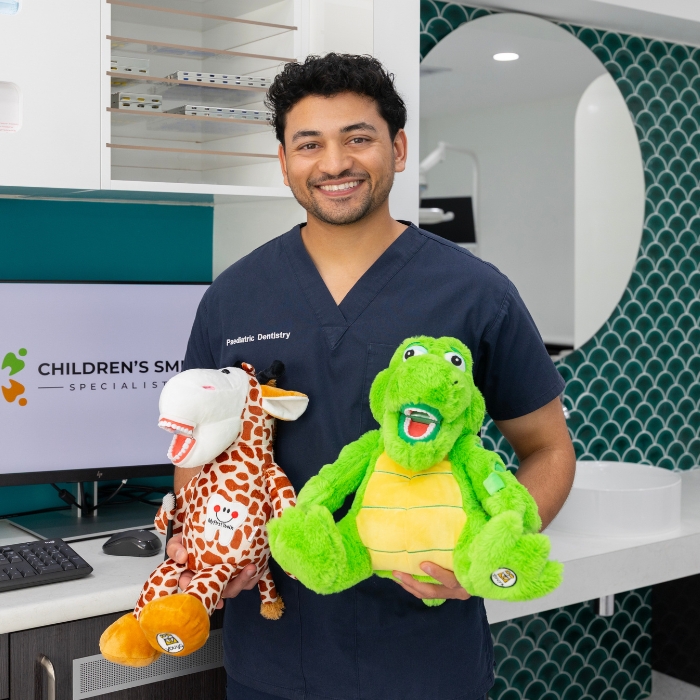
Paediatric dentists are specialists who care for the oral health needs of infants, children and teenagers, including those with additional medical, developmental or behavioural needs. We complete three additional years of specialist training to diagnose, prevent and manage dental problems while creating a calm and supportive environment where children can feel comfortable. We aim to create positive experiences from an early age, helping children develop healthy habits and confidence that lasts well beyond childhood.
A chalky molar is a common way of describing Molar Incisor Hypomineralisation (MIH), a condition where some adult teeth develop with weaker enamel. These teeth can appear white, yellow or brown and may be more sensitive, prone to breaking down or harder to keep clean. Early assessment by a paediatric dentist can help identify these teeth, manage sensitivity, protect the enamel and provide a plan to support your child’s long-term oral health.
No referral is required to see a paediatric dentist. Parents can contact us directly if they have concerns about their child’s teeth, development or dental experience. We also work closely with family dentists, orthodontists, GPs and other health professionals who may recommend an early specialist dental assessment.
Yes. Dental anxiety is very common in children, and our approach focuses on helping them feel safe and understood. We take time to build trust, explain things in a child- friendly way and tailor each visit to suit their individual needs. For children who need extra support, we can discuss options such as nitrous oxide sedation (“happy gas”) or treatment under general anaesthesia when appropriate. Our aim is to make dentistry a positive experience.
Review