General Anaesthesia
For some children, general anaesthesia is the safest and most comfortable way to complete dental treatment, allowing care to be provided while they are asleep.
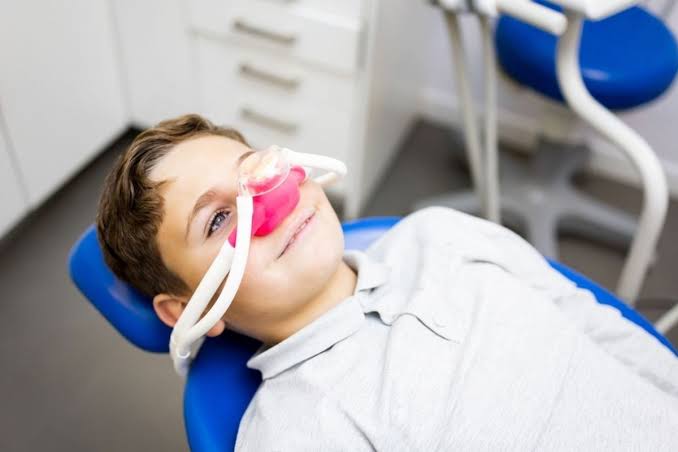
Why Does My Child Need General Anaesthesia For Dental Work?
General anaesthesia is recommended only when it is the safest and most appropriate way to provide dental treatment. This may be because your child is very young, requires extensive treatment, has significant dental anxiety, additional medical or developmental needs, or is unable to comfortably cope with treatment in the dental chair. Completing all necessary treatment in a single visit while your child is asleep allows care to be provided safely, efficiently and without the stress of multiple appointments. Our specialist paediatric dentists will carefully assess your child’s individual needs, discuss all available treatment options with you and only recommend general anaesthesia when it is in your child’s best interests.
OUR PROCESS STEP
Your Child’s General Anaesthesia Journey
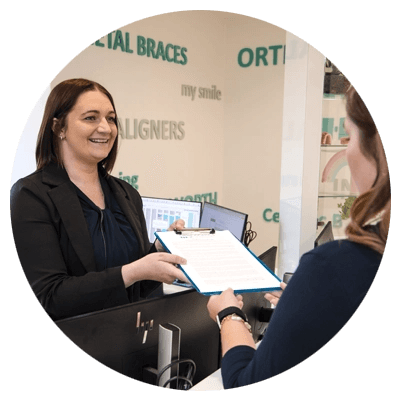
Consultation
Your journey begins with a comprehensive consultation to understand your child’s dental needs. We’ll explain our findings, discuss all available treatment options and answer your questions before deciding whether general anaesthesia is the most appropriate approach.

Pre-Procedure
If general anaesthesia is recommended, we’ll guide you through every step before the procedure. You’ll receive clear instructions about fasting, admission requirements and how to prepare your child so everyone feels informed and ready for the day.
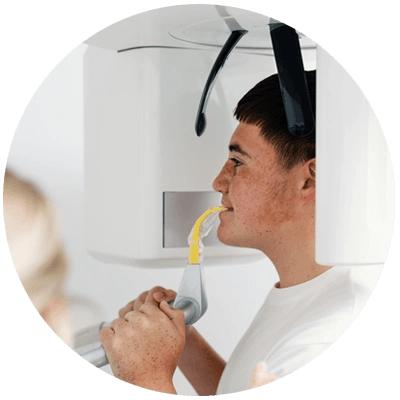
Hospital Admission
On the day of treatment, you’ll meet the hospital team, including your child’s anaesthetist. Once your child is comfortably asleep, we’ll complete all planned dental treatment before they are transferred to recovery under close observation.
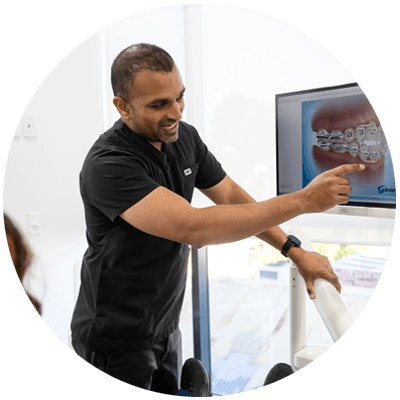
Aftercare & Support
Before your child goes home, we’ll provide detailed aftercare instructions, discuss what to expect during recovery and arrange any follow-up appointments. Our team remains available to answer questions and support your family following the procedure.
Dental Anxiety
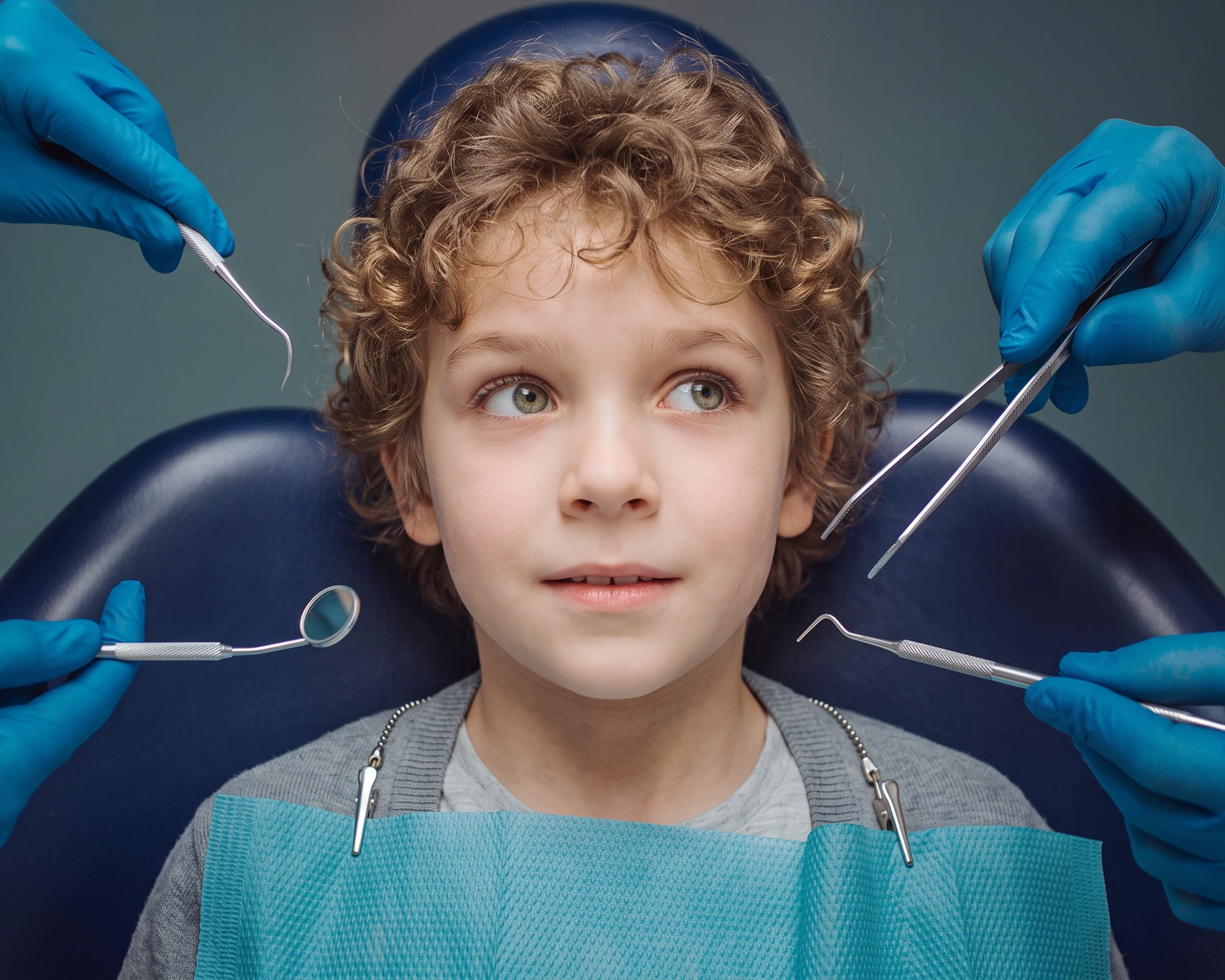
Dental anxiety is more than simply being nervous about visiting the dentist. For some children and adolescents, it can make even routine appointments feel overwhelming; leading to worry, avoidance or difficulty coping with treatment. Dental anxiety can develop for many reasons, including previous experiences, fear of the unknown, sensory sensitivities or hearing about someone else’s experience. The good news is that, with the right approach and support, most children can build confidence and learn to feel more comfortable during dental visits.
Complex Dental Issues
Tooth decay in children does not always look the same. Early signs may include white, chalky or brown marks on the teeth, while more advanced decay may appear as visible holes or areas where the tooth structure has broken down. Parents may notice changes around the front teeth, grooves of back teeth or areas where food frequently becomes trapped. Dark spots or staining can also sometimes indicate decay. Regular dental check-ups are important because some areas of decay may not be obvious to see at home, particularly between teeth or in the early stages.
Children With Additional Needs
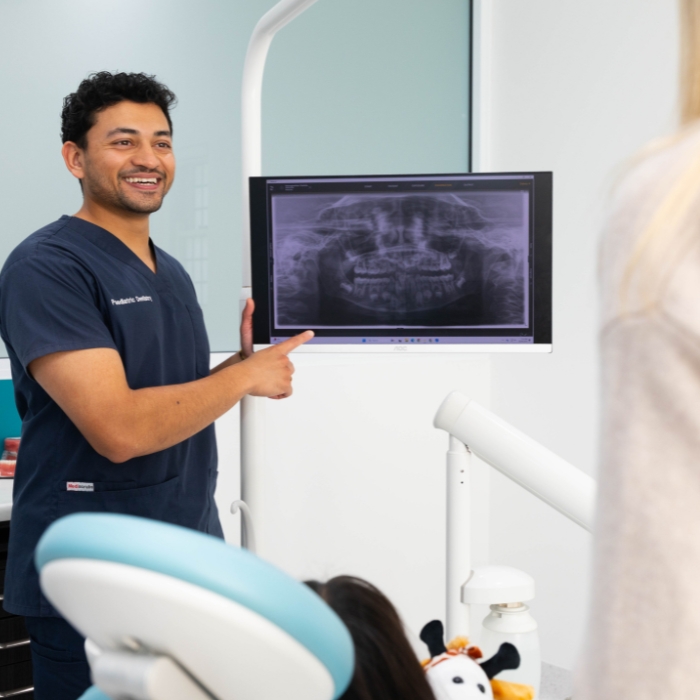
At Children’s Smile Specialists, we are committed to providing personalised dental care for children with additional medical, developmental, behavioural and sensory needs. Every child is different, so we tailor our approach to suit their individual strengths, preferences and level of support. Our specialist team has extensive experience providing treatment chairside using behaviour guidance techniques, while also offering access to general anaesthesia when more complex treatment or additional support is required. We work closely with families and other healthcare professionals to ensure every child receives compassionate, appropriate care in an environment where they can feel comfortable and understood.
FAQ
Frequently Asked Questions
Paediatric dentists are specialists who care for the oral health needs of infants, children and teenagers, including those with additional medical, developmental or behavioural needs. We complete three additional years of specialist training to diagnose, prevent and manage dental problems while creating a calm and supportive environment where children can feel comfortable. We aim to create positive experiences from an early age, helping children develop healthy habits and confidence that lasts well beyond childhood.
A chalky molar is a common way of describing Molar Incisor Hypomineralisation (MIH), a condition where some adult teeth develop with weaker enamel. These teeth can appear white, yellow or brown and may be more sensitive, prone to breaking down or harder to keep clean. Early assessment by a paediatric dentist can help identify these teeth, manage sensitivity, protect the enamel and provide a plan to support your child’s long-term oral health.
No referral is required to see a paediatric dentist. Parents can contact us directly if they have concerns about their child’s teeth, development or dental experience. We also work closely with family dentists, orthodontists, GPs and other health professionals who may recommend an early specialist dental assessment.
Yes. Dental anxiety is very common in children, and our approach focuses on helping them feel safe and understood. We take time to build trust, explain things in a child- friendly way and tailor each visit to suit their individual needs. For children who need extra support, we can discuss options such as nitrous oxide sedation (“happy gas”) or treatment under general anaesthesia when appropriate. Our aim is to make dentistry a positive experience.
Review